

(1) 24" Yellow Tulip Poplar/Magnolia-Butterflies, Birds & Bees (Bareroot)
(1) 24" Yellow Tulip Poplar/Magnolia-Butterflies, Birds & Bees (Bareroot)
Precio habitual
$12.95 USD
Precio habitual
$13.95 USD
Precio de oferta
$12.95 USD
Precio unitario
/
por
Los gastos de envío se calculan en la pantalla de pago.
Share the love with friends!
No se pudo cargar la disponibilidad de retiro
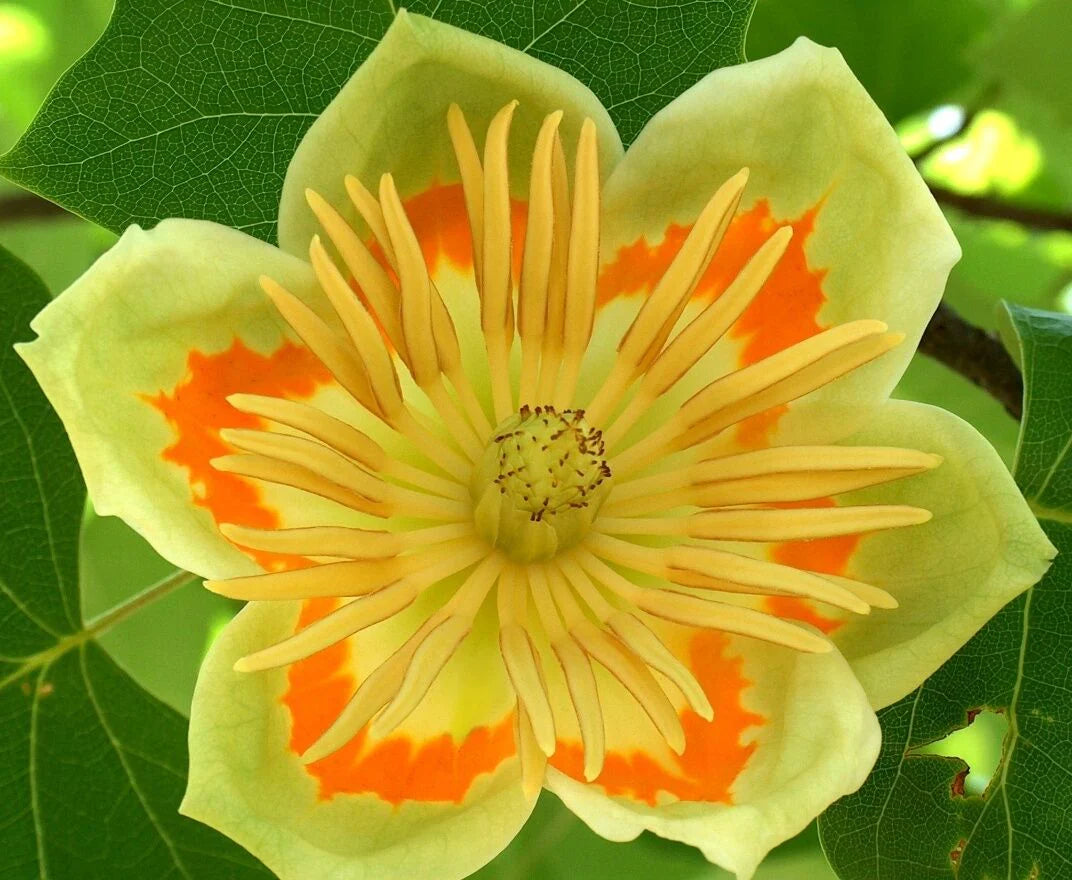
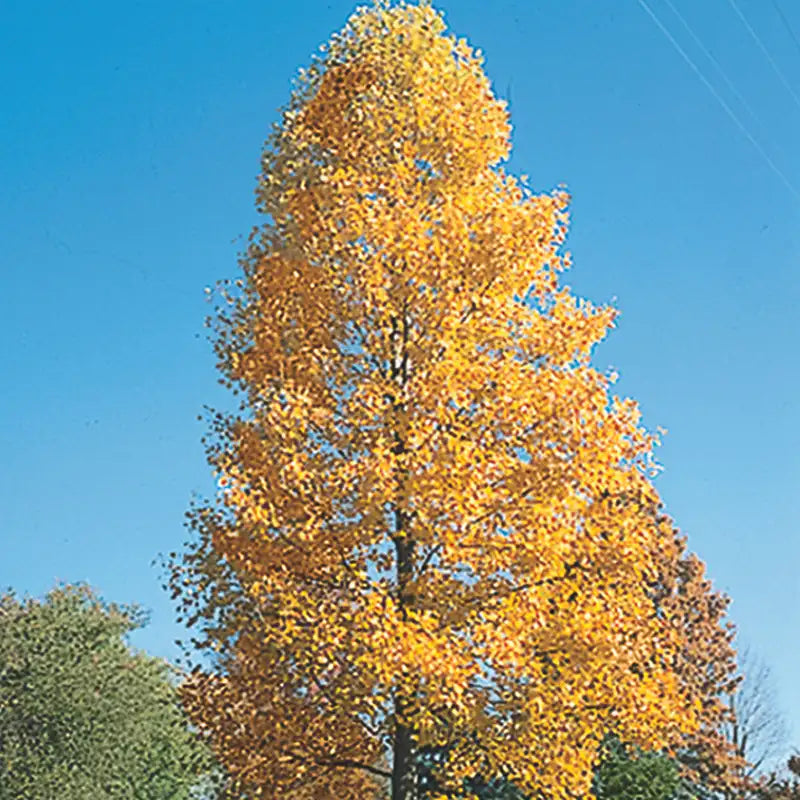
The yellow tulip poplar (actually is in the Magnolia, not poplar family) (Liriodendron tulipifera) is a vital native tree that supports wildlife in several distinct ways:
- Pollinators: In spring, the large, cup-shaped flowers produce abundant nectar that attracts honeybees, native bees, butterflies, and hummingbirds. It also serves as a crucial host plant for the caterpillars of the Eastern Tiger Swallowtail and Tuliptree Silkmoth.
- Birds: Its dense canopy is a favorite nesting site for many songbirds. As the seeds mature into winged samaras in the fall, they provide food for cardinals, finches, and quail.
- Mammals: White-tailed deer, rabbits, and mice browse on the tender twigs, young leaves, and bark. Additionally, squirrels utilize the winged seeds as a primary winter food source and use the tree's sloughing bark for nesting material.
-
Soil Types
- Preference: Deep, rich, loose-textured loams.
- Moisture: Consistently moist but well-drained; it cannot tolerate prolonged flooding or severe drought.
- Texture Adaptability: Will tolerate clay, sandy, or gravelly soils if there is adequate drainage.
- pH Range: Prefers slightly acidic soil (under 6.0) but adapts to a range between 4.5 and 8.0.
USDA Hardiness Zones:- Range: Hardy in USDA Zones 4 through 9.
- Considerations: Performs best where precipitation is evenly distributed throughout the growing season. It may be short-lived in the hottest, driest southern sections of Zone 9.
Space Requirements- Mature Spread: Expect a canopy spread of 30 to 50 feet.
- Structural Clearance: Plant at least 30 to 40 feet away from homes, buildings, and power lines.
- Root Expansion: Needs massive, open soil volume. Avoid tight spaces, sidewalk cutouts, or planting close to driveways because its large, shallow roots can lift concrete and compromise foundations.
- Tree Spacing: Space multiple trees 40 feet apart for standard shade landscaping to minimize canopy and root competition.