

1
/
of
5
(1) 24" Yellow Tulip Poplar/Magnolia-Butterflies, Birds & Bees (Bareroot)
(1) 24" Yellow Tulip Poplar/Magnolia-Butterflies, Birds & Bees (Bareroot)
Regular price
$12.95 USD
Regular price
$13.95 USD
Sale price
$12.95 USD
Unit price
/
per
Shipping calculated at checkout.
Share the love with friends!
Couldn't load pickup availability
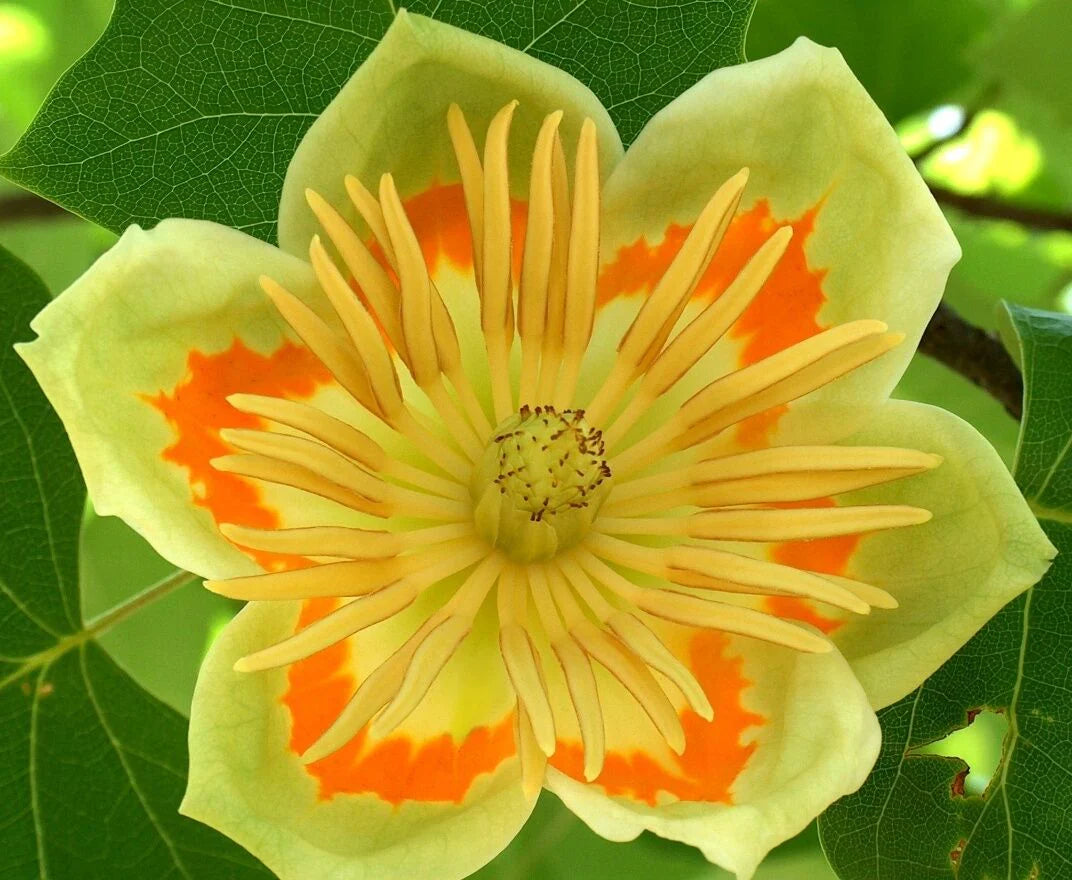
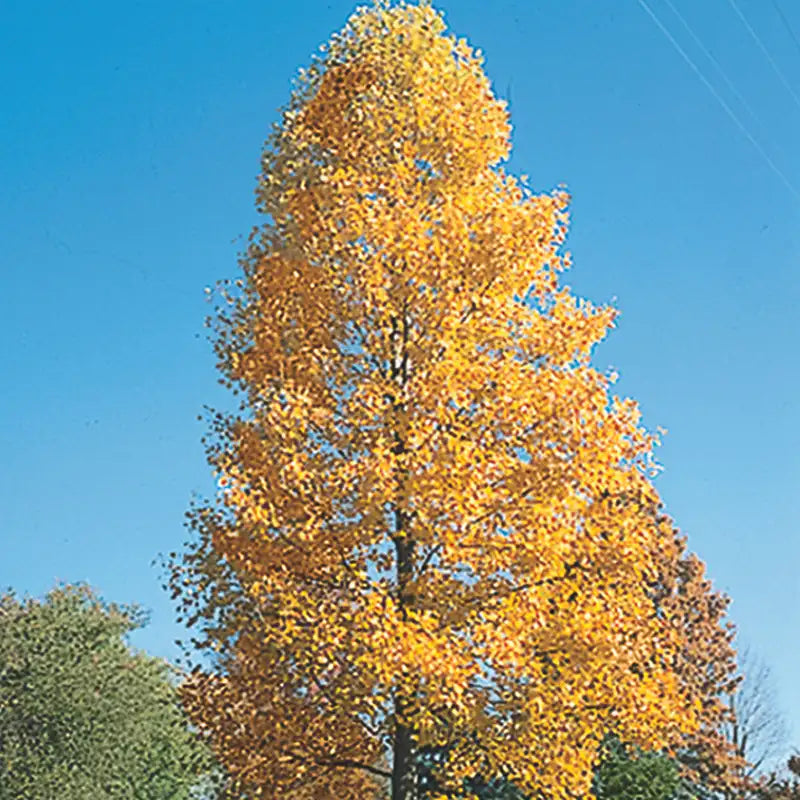
The yellow tulip poplar (actually is in the Magnolia, not poplar family) (Liriodendron tulipifera) is a vital native tree that supports wildlife in several distinct ways:
- Pollinators: In spring, the large, cup-shaped flowers produce abundant nectar that attracts honeybees, native bees, butterflies, and hummingbirds. It also serves as a crucial host plant for the caterpillars of the Eastern Tiger Swallowtail and Tuliptree Silkmoth.
- Birds: Its dense canopy is a favorite nesting site for many songbirds. As the seeds mature into winged samaras in the fall, they provide food for cardinals, finches, and quail.
- Mammals: White-tailed deer, rabbits, and mice browse on the tender twigs, young leaves, and bark. Additionally, squirrels utilize the winged seeds as a primary winter food source and use the tree's sloughing bark for nesting material.
-
Soil Types
- Preference: Deep, rich, loose-textured loams.
- Moisture: Consistently moist but well-drained; it cannot tolerate prolonged flooding or severe drought.
- Texture Adaptability: Will tolerate clay, sandy, or gravelly soils if there is adequate drainage.
- pH Range: Prefers slightly acidic soil (under 6.0) but adapts to a range between 4.5 and 8.0.
USDA Hardiness Zones:- Range: Hardy in USDA Zones 4 through 9.
- Considerations: Performs best where precipitation is evenly distributed throughout the growing season. It may be short-lived in the hottest, driest southern sections of Zone 9.
Space Requirements- Mature Spread: Expect a canopy spread of 30 to 50 feet.
- Structural Clearance: Plant at least 30 to 40 feet away from homes, buildings, and power lines.
- Root Expansion: Needs massive, open soil volume. Avoid tight spaces, sidewalk cutouts, or planting close to driveways because its large, shallow roots can lift concrete and compromise foundations.
- Tree Spacing: Space multiple trees 40 feet apart for standard shade landscaping to minimize canopy and root competition.